Excerpt:
The desire to live in the recent past is part of a growing trend among young adults interested in the culture, fashion and technology of the 1980s, ’90s and early 2000s.
Just look at the growing resurgence of claw clips, baggy jeans and strappy tops among young women. Or the flourishing markets for cassette tapes and iPods and the recent social media obsession with ’90s figures like John F. Kennedy Jr. and Carolyn Bessette, prompted in part by the FX TV series “Love Story.”
Some members of Gen Z, born in 1997 or later, wish to live in an era “right before social media and computers mediated life,” nostalgia researcher and existential psychologist Clay Routledge said in an interview.
If you yearn for a time too far before the ’90s, he said, “you don’t have some of the advantages of societal progress.”
Several members of Gen Z who participated in the latest Decision Desk poll agreed with Routledge’s hypothesis.
[…]
Some of Gen Z’s interest in the recent past, Routledge said, can be explained by the phenomenon of cultural nostalgia.
“When there’s a lot of disruptions — political divisiveness, or, you know, worries about AI or other kinds of societal, technological or social, cultural changes — people tend to become more nostalgic for the past to help them with the things that they’re worried about,” he said.
Looking back at the 1990s, Routledge said, offers Gen Z a version of the world before everyone was tied to the internet, which can be attractive and comforting.
“If there’s this fear that it’s going in a direction that’s unhealthy or that they can’t control or they don’t understand, then you could imagine it being like, ‘Well, instead of jumping in that hypothetical future … I’d rather take the time machine to the time before it got to that place,” he said. “It’s almost a little bit like a reboot.”
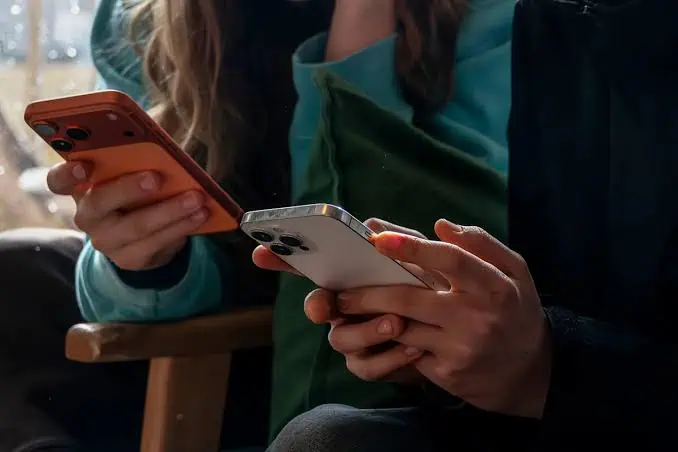
Routledge also said that an increasing share of Gen Z has begun to recognize certain detrimental mental and cultural effects of modern technology and have taken more “agency” in the push to have a more healthy relationship with it.
“They’re the ones driving … many of these consumer retro trends that, again, aren’t throwing the smartphones away, but they’re saying the smartphones can’t, shouldn’t control us,” he said.
Read the full article at NBC News.
NBC News
Share:
Related Posts


Related Posts
None found