
Excerpt:
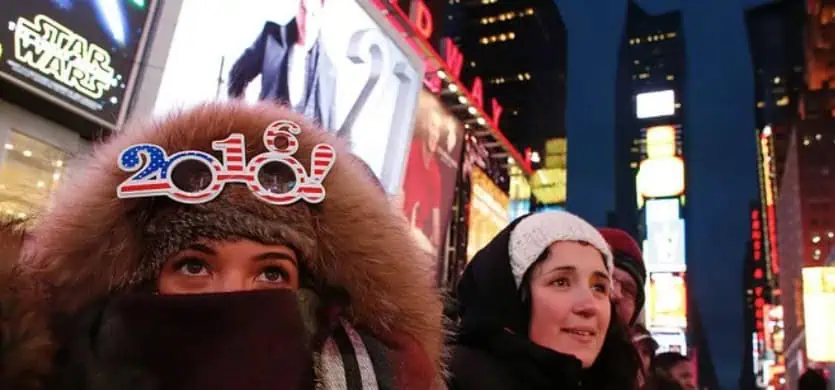
“It’s 2026, people are feeling nostalgic for 2016 (because) enough time has passed to have those warm feelings for that time,” Clay Routledge, an existential psychologist, who’s a leading expert in the science of nostalgia, tells NBC’s Joe Fryer.
Routledge, also an executive vice president and COO at Archbridge Institute, adds that millennials and older Gen Z are the ones most affected by “technological transformations” amid the advances of artificial intelligence.
“People tend to be nostalgic when they’re anxious about the future or they’re not sure what direction in life to take,” he says. “So I think this generation is dealing with those anxieties, and they’re using nostalgia as a way to respond to them.”
However, he says that people tend to be “especially nostalgic” for that time in their youth where they felt “young and free and energized most.”
“So it’s not a surprise to me that you have this particular age group that would have been teenagers or very young adults in 2016 looking to that time for inspiration as they’re going through these transitions and dealing with these anxieties they have about the present and the future,” he notes.
Read the full article at TODAY.com.
NBC Today Show
Share:
Related Posts