
Excerpt:
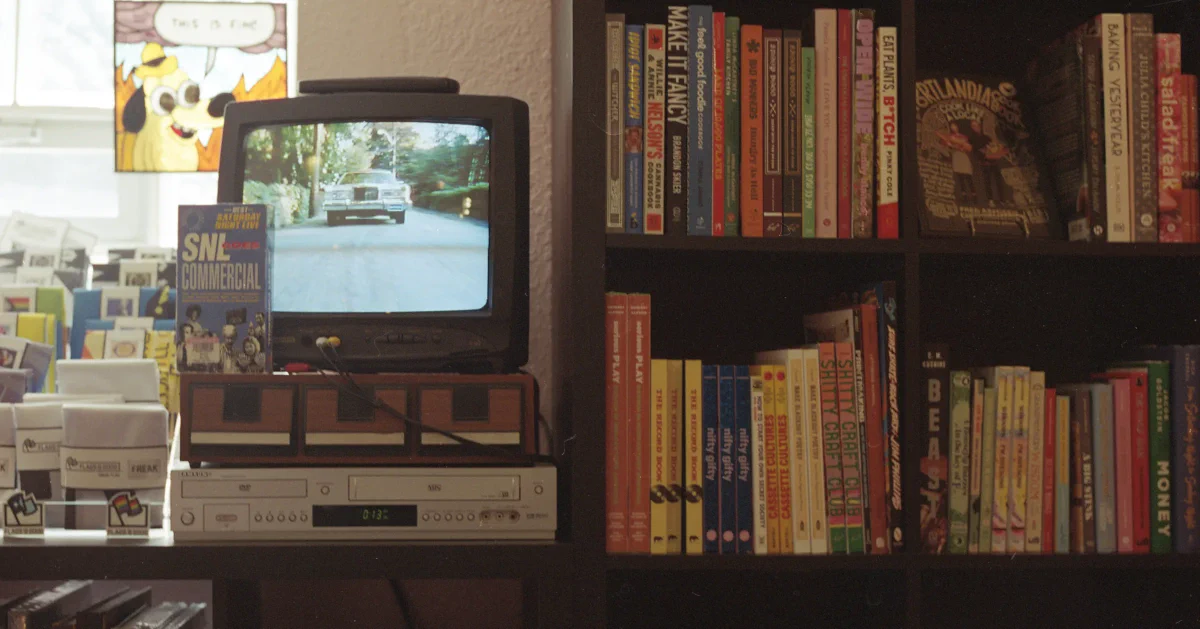
Not every trip to the past is a sign of trouble. Clay Routledge, a psychologist and one of the most cited researchers in the scientific study of nostalgia, argues that this type of thinking works as a tool for emotional regulation, activated precisely when the person is exhausted, alone or under stress.
For him, the logic is the opposite of what common sense usually assumes: “it is the problems that bring nostalgia, not the other way around”, explains the researcher.
According to this line of research, the brain resorts to specific memories when it needs to replace something that is missing in the present, such as a sense of belonging, self-esteem, or a sense of continuity of one’s own identity.
This is why nostalgia tends to appear more strongly in moments of transition, loneliness, or overwhelm, rather than during stable phases of life.
Read the full article at CNN Brazil.
CNN Brazil
Share:
Related Posts


" columns="" column_min_width="" column_spacing="" rule_style="" rule_size="" rule_color="" hue="" saturation="" lightness="" alpha="" user_select="" content_alignment_medium="" content_alignment_small="" content_alignment="" disable_idd="no" hide_on_mobile="small-visibility,medium-visibility,large-visibility" sticky_display="normal,sticky" class="" id="" html_attributes="W10=" width_medium="" width_small="" width="" min_width_medium="" min_width_small="" min_width="" max_width_medium="" max_width_small="" max_width="" margin_top_medium="" margin_right_medium="" margin_bottom_medium="" margin_left_medium="" margin_top_small="" margin_right_small="" margin_bottom_small="" margin_left_small="" margin_top="" margin_right="" margin_bottom="" margin_left="" fusion_font_family_text_font="" fusion_font_variant_text_font="" font_size="" line_height="" letter_spacing="" text_transform="" text_color="" render_logics="" logics="" animation_type="" animation_direction="left" animation_color="" animation_speed="0.3" animation_delay="0" animation_offset=""]
Related Posts

 September 27, 2026